

Are Tree Cracks Dangerous? What Homeowners Should Know
Are tree cracks dangerous? Learn which trunk splits signal a hazard, what causes them, and when Lafayette homeowners should call a nearby tree profes…
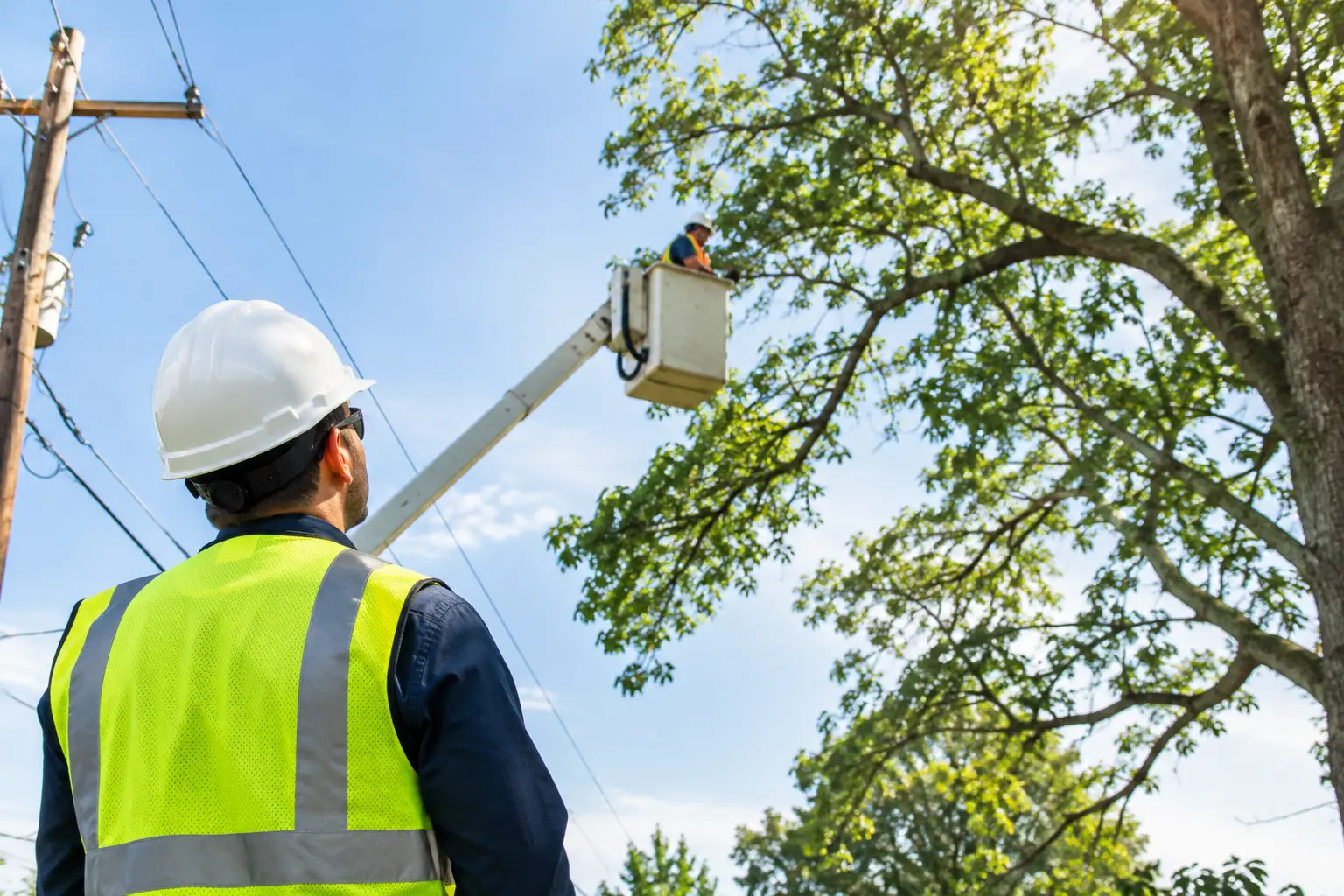
A branch resting near a service line is not just a yard-maintenance problem. In south Louisiana, fast-growing trees, heavy rain, high winds, and saturated soil can turn a manageable limb into a power outage, property-damage risk, or serious electrical hazard. A Louisiana utility arborist helps address tree growth around electrical infrastructure, but homeowners also need to know where utility responsibility ends and private tree care begins.
For Lafayette-area property owners, the safest response is rarely to grab a pole saw or try to pull a limb away from a wire. The right next step depends on the line involved, the condition of the tree, and whether there is an immediate danger. Knowing the difference can protect your home, your family, and the people working on the problem.
A utility arborist is trained to evaluate, plan, and manage vegetation around electrical utility systems. Their work may involve identifying trees that could interfere with overhead lines, directing clearance pruning programs, reviewing storm damage, and helping maintain reliable access to utility equipment.
This is specialized work. Trees conduct moisture, tools can create a path to electricity, and limbs may shift unexpectedly when cut. A branch does not need to touch a wire directly to create danger. Electricity can arc through the air under certain conditions, particularly around high-voltage lines.
Utility vegetation management is generally focused on keeping the electrical system safe and reliable. That may mean pruning branches away from lines, removing vegetation that threatens poles or transformers, or responding after a storm. The utility company and its qualified contractors determine how to handle vegetation near their equipment and energized lines.
A homeowner's needs are often broader. You may have a declining tree leaning toward a line and a roof, limbs extending over a driveway, or a tree that needs structural pruning before it becomes a utility issue. That is where a local tree care company can assess the tree from a property-protection standpoint, coordinate around safe access, and handle the work that falls outside the utility's scope.
One of the most common sources of confusion is ownership. The main overhead distribution line running along a street, easement, or rear property boundary is typically maintained by the electric utility. The service drop is the smaller line that runs from the utility pole to your home. Even though it serves your house, it is still energized equipment and must be treated with the same caution.
Homeowners should never trim branches near either type of line without confirming safe clearance and the proper party for the job. Do not climb a tree that is touching or close to a wire. Do not use a ladder, metal pole pruner, rope, or chainsaw around the line. A wet yard, damp bark, and storm conditions only increase the risk.
If a tree has fallen on a line, a wire is down, sparks are visible, or a pole appears damaged, keep everyone away from the area. Stay clear of puddles, fences, vehicles, and debris that may be energized. Contact the electric utility immediately and call emergency services when there is an active threat to people, structures, or traffic.
For non-emergency concerns, start by reporting vegetation that is growing into utility equipment or appears too close to the line. The utility can advise on its process and whether it will schedule a review. Do not assume a utility crew will remove an entire tree simply because it is near a line. Their priority is line clearance and system safety, while removal of a privately owned tree may remain the homeowner's responsibility.
Trees do not always announce a failure with a dramatic crack. Many risks show up gradually, especially in mature oaks, pines, sweetgums, and water-loving species common across Acadiana. Watch for dead limbs over power lines or your roof, branches rubbing against a service line, and a canopy that has grown heavily to one side.
Other concerns include mushrooms or decay around the base, deep cracks where large limbs join the trunk, peeling bark, hollow areas, and fresh soil movement around roots. A tree that suddenly leans after prolonged rain deserves prompt evaluation, even if it still has green leaves. Saturated ground can reduce root stability without obvious trunk damage.
Palm-sized limbs can cause trouble when they repeatedly brush against a line. Large limbs create a different level of risk because their weight and reach can damage service equipment, pull down a line, crush a fence, or strike a roof during a storm. Size, decay, location, and wind exposure all matter more than any single visual clue.
When trees grow near homes and utility areas, aggressive cutting can create problems that show up months later. Topping, which is the practice of cutting major branches back to stubs, may seem like a quick way to reduce height. In reality, it often leads to weak, fast-growing shoots, larger decay wounds, and a more hazardous structure over time.
Professional pruning is more selective. The goal may be to remove deadwood, reduce the length and weight of an overextended limb, improve clearance over a driveway, or guide growth away from a structure. Proper cuts are made at appropriate branch unions so the tree has a better chance to compartmentalize the wound.
There is a trade-off. Pruning can lower risk and preserve a valuable tree, but it cannot make every compromised tree safe. If extensive decay, poor root stability, or severe structural defects are present, removal may be the more responsible choice. An on-site assessment is the only reliable way to determine whether pruning, cabling and bracing, or removal fits the situation.
A qualified local tree crew can help with trees that are near utility areas but are not actively in contact with energized equipment. The work may include reducing limbs away from the roof and service area, removing a dead tree after utility clearance has been established, grinding the stump, or cleaning up storm-damaged limbs once the electrical hazard is addressed.
For trees with split leaders, heavy horizontal limbs, or weak unions over a living area, cabling and bracing may also be worth discussing. These systems can provide supplemental support in the right circumstances, but they are not a substitute for correcting severe decay or unstable roots. They require a tree-specific recommendation and periodic inspection.
At Apex Tree Care, the process starts with a site assessment, not a guess from the street. The crew can evaluate access, identify visible hazards, discuss the condition of the tree, and explain the practical options for your property. When work is appropriate, safe and efficient removal or precision pruning is paired with full debris cleanup so the yard is usable when the job is complete.
Before requesting service, take a few clear photos from a safe distance. Include the whole tree, the base of the trunk, the nearby lines, and any visible cracks or dead limbs. Photos help describe the concern, but they do not replace an in-person review.
Make note of recent changes. Did the tree start leaning after a storm? Has a branch begun rubbing against a line? Did you notice a dead top, fungus near the roots, or a crack after high winds? These details give an arborist a better picture of how quickly the condition may be developing.
Keep gates unlocked if requested, move vehicles from beneath the work area, and keep children and pets inside during tree work. If crews need access to a side yard or rear utility easement, clear movable furniture, planters, and decorations when possible. Good access helps the work move safely and reduces the chance of damage to landscaping.
The best time to address a tree near utility lines is before wind and rain make the decision for you. Routine inspections can catch deadwood, weak attachments, and encroaching growth while crews have safer working conditions and you have more options for the tree.
If you are concerned about a tree near a line, keep your distance, contact the utility for any active electrical issue, and arrange a professional property assessment for the rest. A timely evaluation can turn an uncertain hazard into a clear plan for a safer yard and better-protected home.

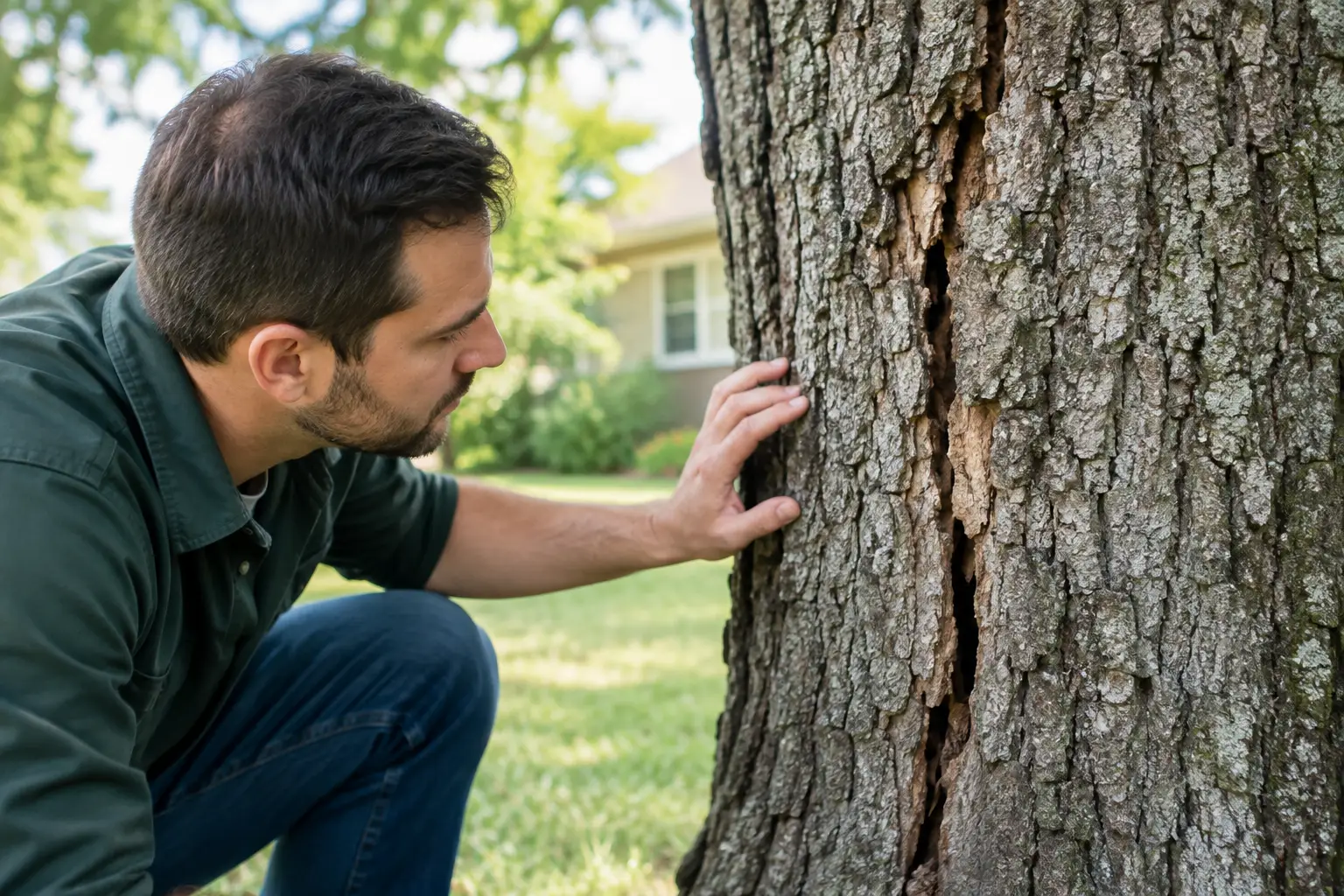
Are tree cracks dangerous? Learn which trunk splits signal a hazard, what causes them, and when Lafayette homeowners should call a nearby tree profes…
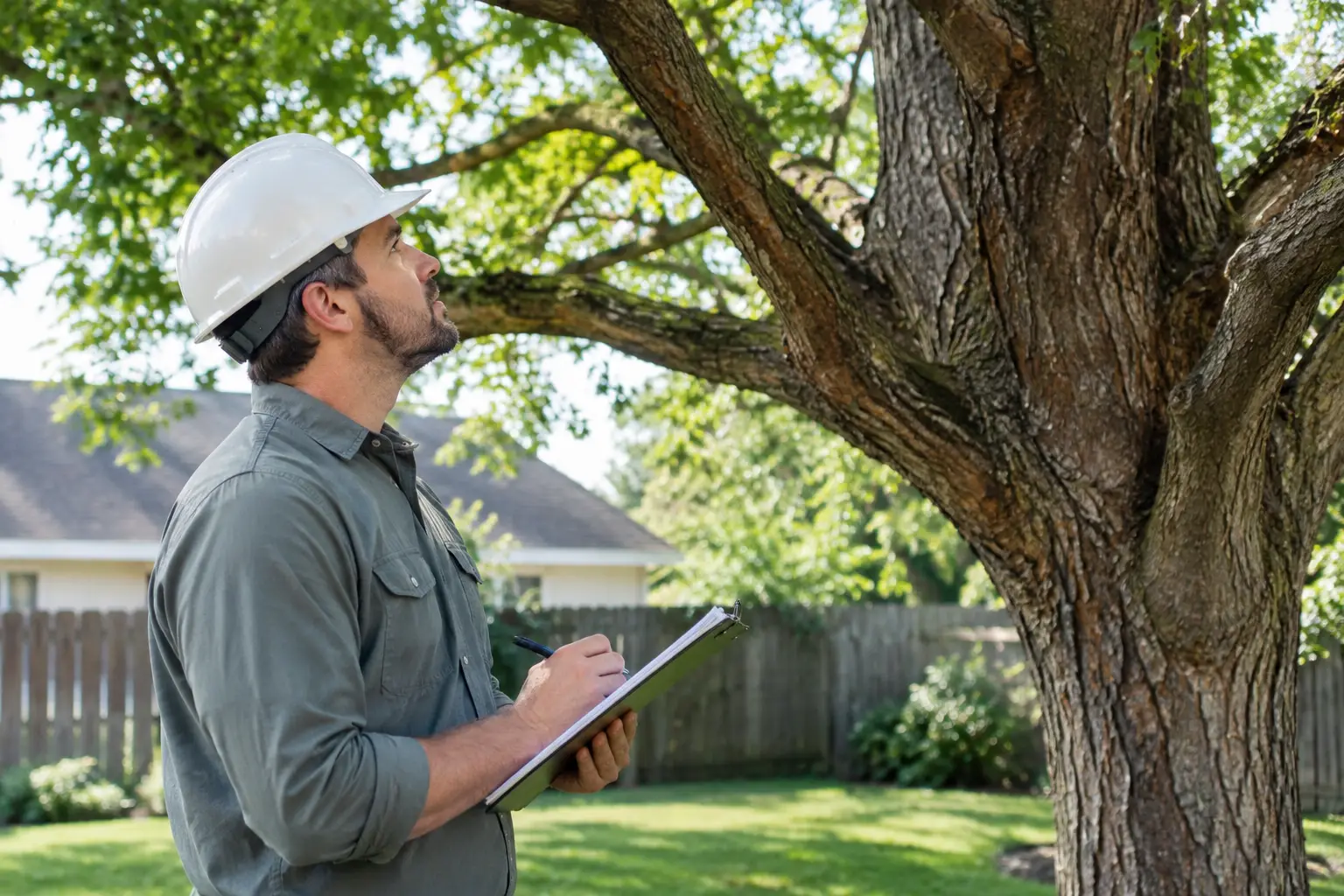
Use this tree maintenance safety checklist to spot hazards, protect your home, and know when a trained Louisiana crew should take over for safe work.
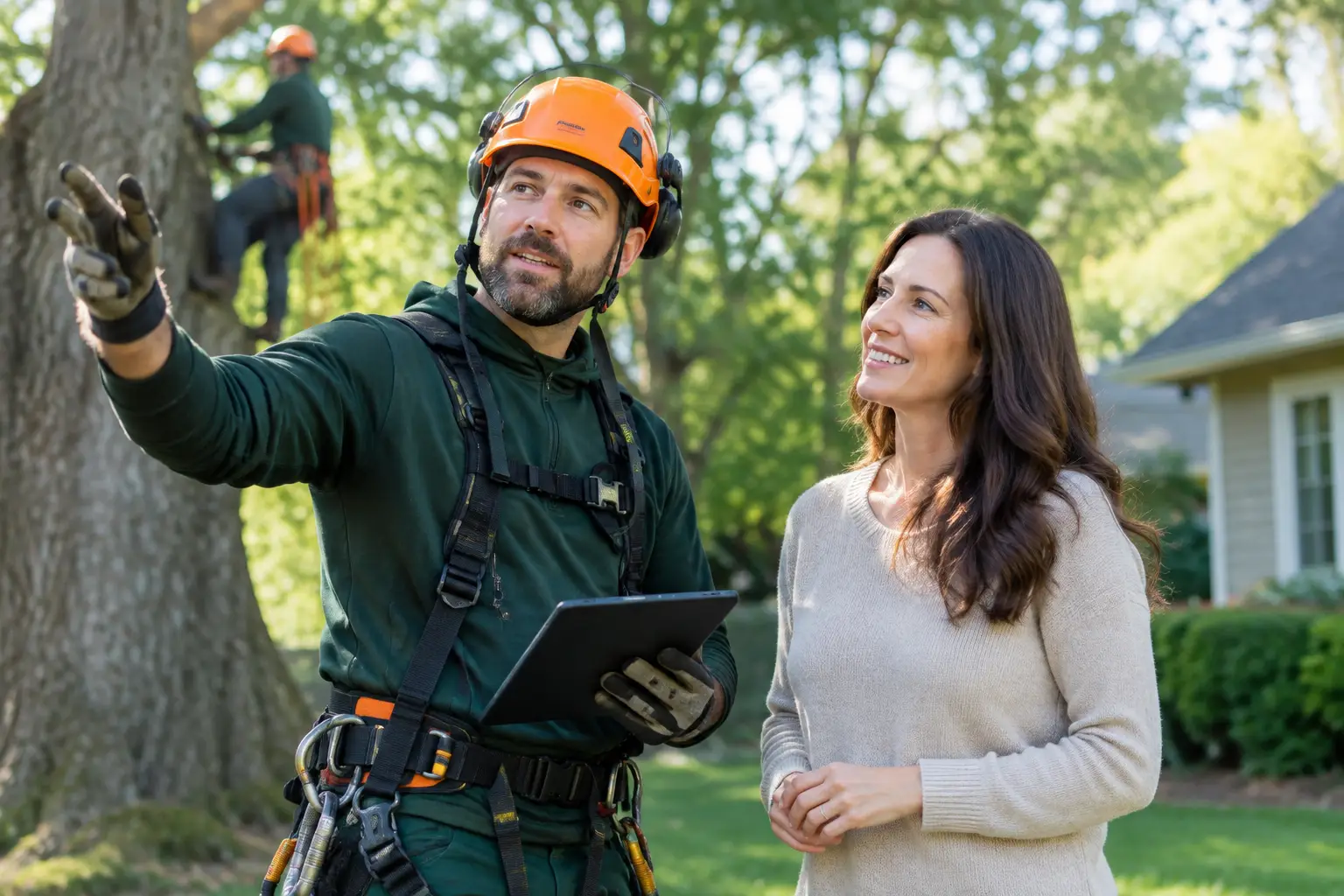
Arborist service reviews can reveal safety, cleanup, pricing, and communication standards. Learn what Lafayette homeowners should look for before hir…
Tell us about your trees and we'll get back to you, usually the same day.
“They were prompt for the actual survey and gave a fair estimate. Crew showed up and did the job ahead of planned date and did an amazing job.”
Loading the quote form…
Form not showing? Open the quote form or call (337) 568-2739.
Get a free, no-obligation estimate from Lafayette's locally owned tree service.