

10 Signs of a Hazardous Tree Around Your Home
Learn the signs of a hazardous tree, what raises risk in Louisiana weather, and when to call a professional for a safe property assessment near you n…
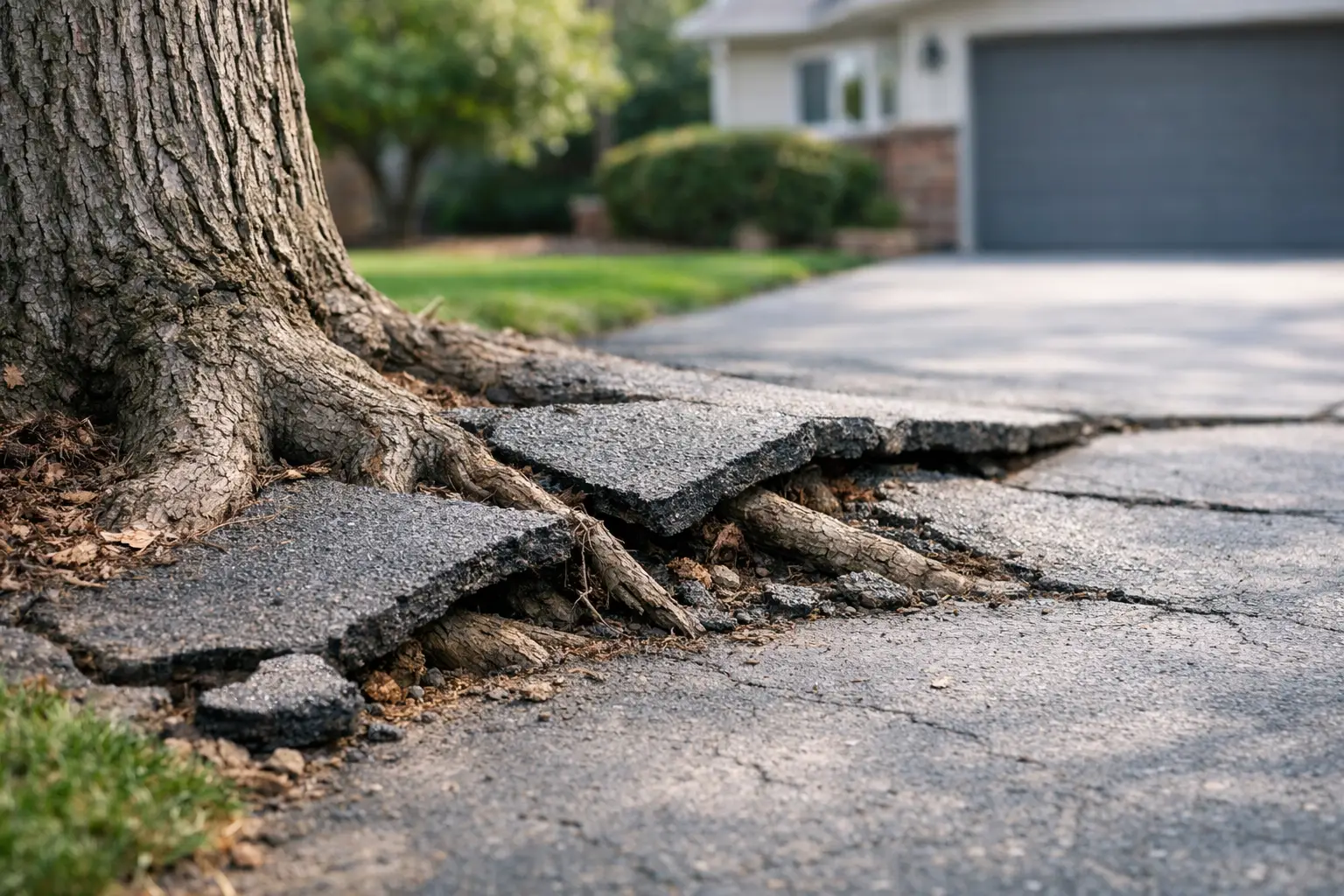
A driveway rarely rises all at once. More often, a section of concrete begins to sit slightly higher than the next, a crack widens after a heavy rain, or a car starts scraping at the edge of a slab. Tree roots lifting driveway concrete can turn a small inconvenience into a trip hazard, a vehicle problem, and a costly property repair if the cause is not addressed.
For homeowners in Lafayette and nearby Acadiana communities, this problem is especially common around mature shade trees. Our warm, wet climate supports fast growth, while periods of intense rain and changing soil moisture can expose root-related movement in concrete and asphalt. The right fix depends on the tree, the type of driveway, the extent of the damage, and how much root work the tree can safely tolerate.
Tree roots do not usually break concrete because they are forcefully pushing straight upward. In many cases, roots grow where the conditions are favorable, including just beneath a driveway where the soil may hold moisture and stay relatively protected. As surface roots increase in diameter over time, they can raise a slab or contribute to cracking where the concrete is already thin, poorly supported, or settling.
A driveway may also show root-related damage when water drainage is poor. Saturated soil can shift beneath the pavement, and root growth may take advantage of existing cracks and gaps. In older driveways, expansion joints, shallow concrete, and weak base material can make the surface more vulnerable.
The tree species matters, but the tree's age, health, location, and root structure matter more. A large, established tree planted close to a narrow driveway has fewer places for major roots to spread. Removing a visible root without understanding its role can create a much more serious issue: a weakened tree that becomes unstable during strong winds or storms.
Not every raised slab requires immediate removal of the tree. However, driveway damage should not be ignored when it affects safe access to your home or points to a structural issue with the tree.
Watch for several warning signs: a concrete edge high enough to catch a foot or tire, rapidly widening cracks, a driveway section that continues to rise, roots exposed along the surface, or water collecting near the affected area. Pay close attention if the tree has a leaning trunk, soil lifting at the base, dead limbs, trunk decay, or large branches over the driveway. Those conditions can indicate a separate safety concern beyond the concrete damage.
Asphalt driveways can show the problem differently. Instead of a clean, raised edge, asphalt may form a rounded hump, split along a root line, or develop broken areas that crumble under vehicle weight. Asphalt is more flexible than concrete, but it is not immune to repeated root pressure and base movement.
If someone has already tripped, a vehicle is bottoming out, or emergency access is affected, it is time to schedule an assessment promptly. Temporary marking or cones can help draw attention to the hazard, but they are not a permanent solution.
The fastest-looking solution is often the riskiest one: cutting the visible roots with a saw, axe, or trenching tool. Large roots near the trunk may provide essential support and carry water and nutrients to the canopy. Cutting them can cause decline that appears months later, or leave the tree more likely to fail in high wind.
Avoid adding a thick layer of concrete over the raised section without correcting the cause. The new material may crack again, create an even steeper transition, and place additional stress on the existing driveway. Covering exposed roots with excessive soil is also not a good fix. Most trees need oxygen at the root zone, and deep fill can contribute to root stress and decay.
It is also wise not to assume that every crack came from roots. Driveways can heave because of poor drainage, soil movement, undersized concrete, or an aging base. A professional site review helps prevent paying for tree work when the primary repair is actually a paving or drainage issue.
A good plan starts by weighing the value and condition of the tree against the severity of the driveway damage. In some cases, the best outcome preserves both. In others, protecting the home, driveway, and people who use the property requires more significant action.
When roots are healthy and the tree is worth retaining, a contractor may be able to remove and replace a limited section of concrete with proper clearance around the roots. Depending on the situation, the new section may be designed with a slightly altered route, a wider joint, or a different surface treatment that accommodates future movement better than a rigid slab.
This approach works best when the affected roots can remain largely undisturbed. It may cost more than a simple patch, but it can be the more durable choice for a healthy mature tree that provides shade, beauty, and long-term landscape value.
Root pruning is sometimes possible, but it is not routine maintenance. The size of the root, its distance from the trunk, the tree species, and the amount of root system affected all need careful consideration. Cutting several major roots on one side of a tree can compromise stability, especially in wet Louisiana soil.
When selective pruning is justified, the work should be planned carefully and coordinated with the driveway repair. Clean cuts, limited disturbance, and attention to the tree's overall condition are far safer than cutting roots as they are uncovered. An arborist can help identify whether the proposed work puts the tree at an unacceptable risk.
Water does not create roots, but it can make an existing driveway problem worse. Downspouts that empty beside the driveway, low spots in the yard, and drainage paths that wash out base material should be addressed as part of the repair plan. Better water management can reduce soil movement and help protect a newly repaired section from premature cracking.
Removal may be the responsible option when a tree is declining, structurally weak, planted too close to the driveway, or causing repeated damage that cannot be safely managed. It can also make sense when driveway replacement requires removing roots that the tree cannot lose without becoming hazardous.
This decision deserves more thought than simply choosing between a tree and a slab of concrete. A mature tree can add real value to a property, but a compromised tree near vehicles, walkways, utility areas, or the home can create an avoidable safety risk. Professional removal includes controlled dismantling, protection of surrounding property, debris cleanup, and the option of stump grinding when the remaining stump interferes with the repair plan.
A driveway and tree should be evaluated as one connected site issue. The goal is not just to stop a root from showing above the soil. It is to determine why the surface is moving, whether the tree is healthy and stable, and what work can be done without creating a larger hazard later.
During an assessment, a tree care professional may look at the tree's canopy condition, trunk defects, root flare, visible root pattern, proximity to structures, and signs of soil movement. The driveway's cracks, joints, drainage, and elevation changes also matter. From there, the homeowner can compare practical options based on safety, expected longevity, appearance, and budget.
Apex Tree Care provides site-specific recommendations for homeowners dealing with root conflicts, hazardous trees, pruning needs, and removal decisions. If driveway repairs are planned, bringing in a qualified tree professional before roots are cut can help keep the project organized and reduce the chance of unexpected tree failure afterward.
A raised driveway slab is easier to manage before cracks multiply and someone gets hurt. Take clear photos after rain and note whether the area is changing over time. If you are arranging concrete, asphalt, drainage, or landscape work, let every contractor know that roots are involved so the work can be coordinated.
The best solution is not always the cheapest immediate repair. Sometimes preserving a healthy tree means adapting the driveway. Sometimes a damaged or unstable tree needs safe removal before it damages more than pavement. Addressing the root cause with a careful plan gives your property the best chance of staying safe, usable, and clean for years to come.

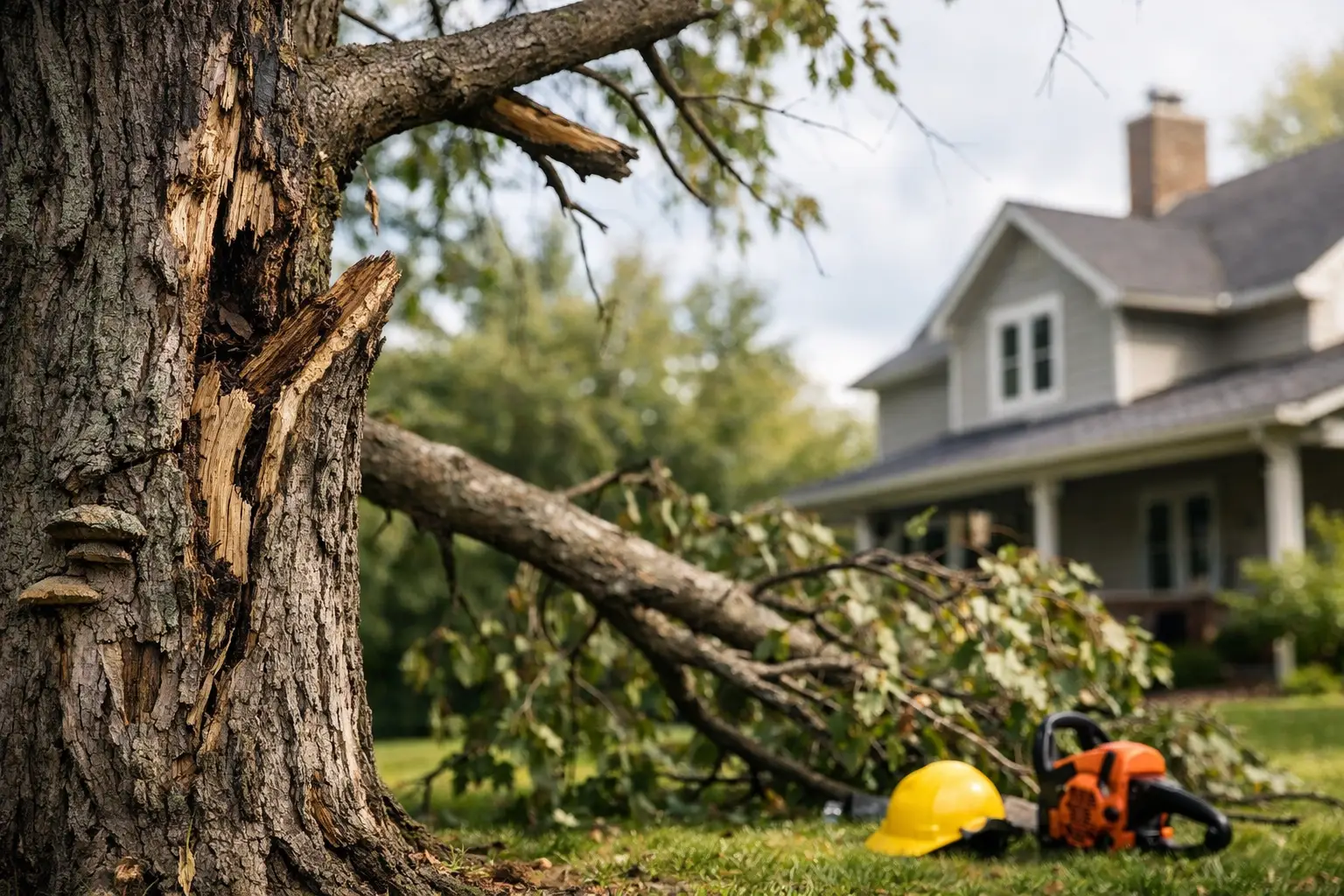
Learn the signs of a hazardous tree, what raises risk in Louisiana weather, and when to call a professional for a safe property assessment near you n…
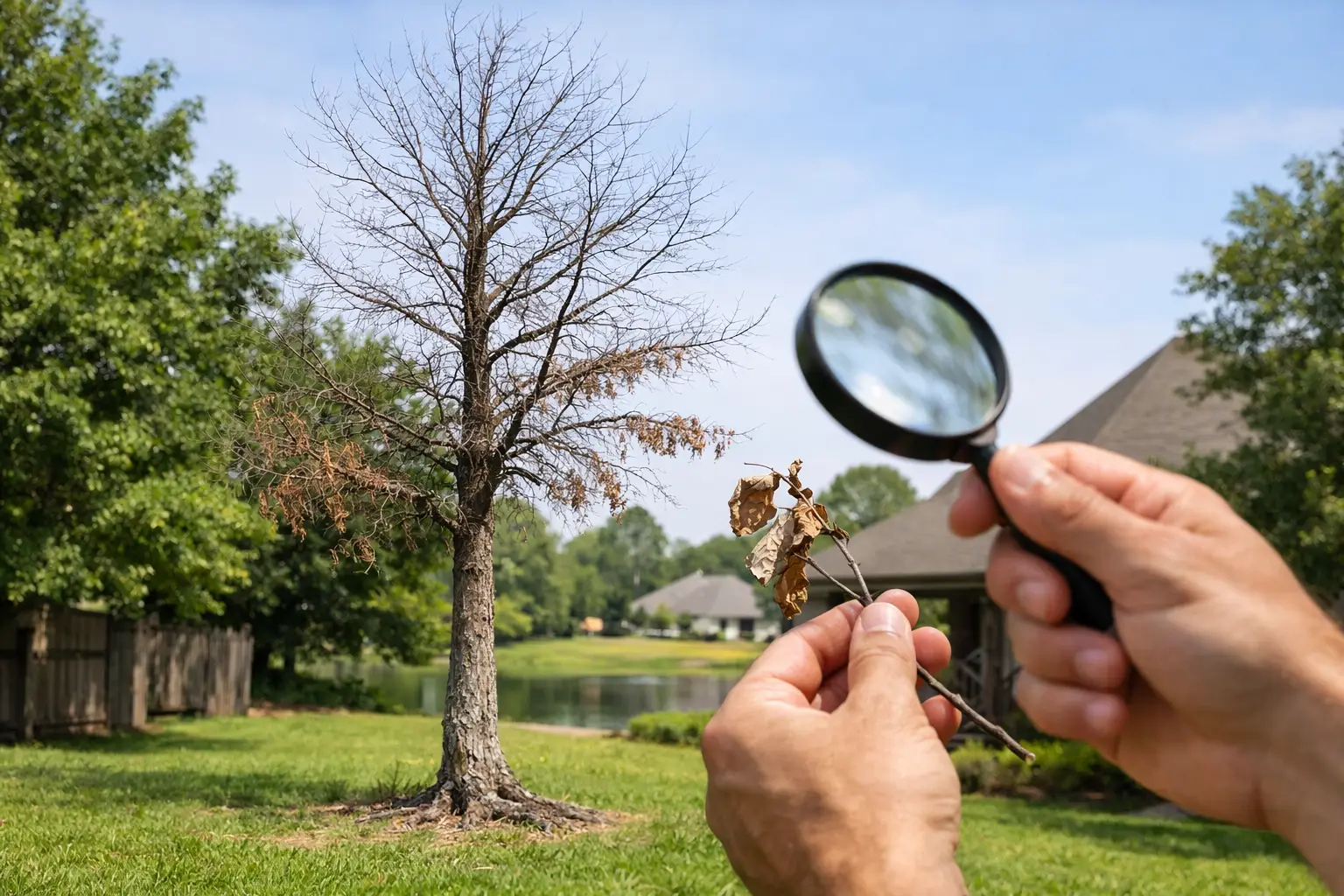
Is my tree dead? Learn the warning signs, simple checks, and when Lafayette homeowners should call a tree professional to protect their property safe…
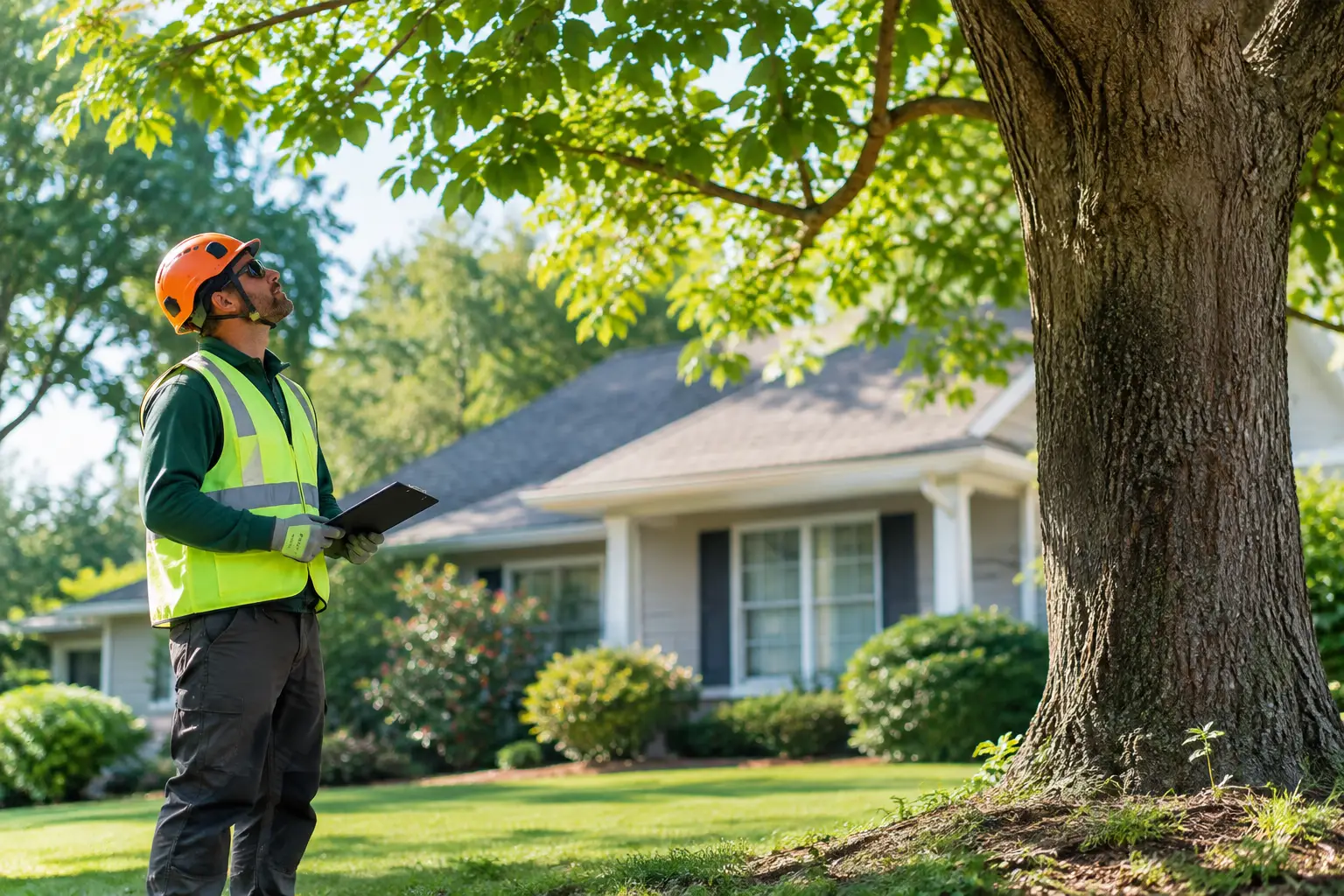
Tree safety starts with spotting hazards early. Learn when to prune, remove, or support trees to protect your Lafayette home, family, and yard safely.
Tell us about your trees and we'll get back to you, usually the same day.
“They were prompt for the actual survey and gave a fair estimate. Crew showed up and did the job ahead of planned date and did an amazing job.”
Loading the quote form…
Form not showing? Open the quote form or call (337) 568-2739.
Get a free, no-obligation estimate from Lafayette's locally owned tree service.